
If you’ve ever dealt with an ingrown toenail, you know how uncomfortable it can be. You might not realize that factors like shoe choice, nail trimming habits sports podiatrist, or even genetics play a role. While some cases are simple to manage at home, others can become painful and require medical attention. Understanding what causes them and how to prevent issues before they start could save you a lot of trouble down the line.
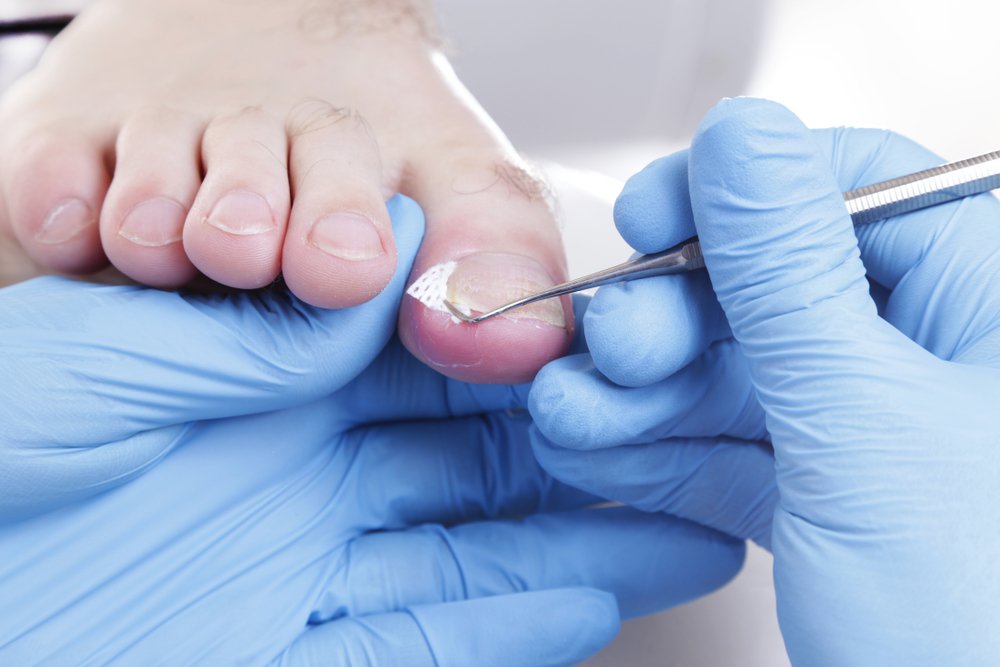
What Causes Ingrown Toenails and Who’s at Risk
Although anyone can develop an ingrown toenail, certain factors increase your risk.
If you often wear tight shoes or socks that crowd your toes, you’re more likely to face this problem. Cutting your nails too short or rounding the edges instead of straight across can encourage the nail to grow into your skin.
Activities that put pressure on your toes https://peoplepodiatry.com.au/, like running or kicking, raise your chances too. People with naturally curved nails or a family history of ingrown toenails also tend to be more vulnerable.
Even injuries to your toes can trigger this condition.
Knowing these risks helps you stay aware, so you can enjoy your freedom to move and live without the discomfort that comes with ingrown toenails.
How to Prevent Ingrown Toenails With Simple Daily Habits
Regularly practicing a few simple habits can significantly reduce your chances of developing ingrown toenails. Start by trimming your nails straight across, avoiding rounded edges that can encourage growth into the skin.
Keep your feet clean and dry to prevent infections that worsen nail problems. Choose shoes that fit well and offer plenty of room for your toes to move freely—tight shoes can push nails into the skin.
Avoid cutting your nails too short; leave them long enough to protect the toe but not so long they catch on things. Finally, inspect your feet regularly for any early signs of nail issues so you can act quickly.
These daily habits empower you to keep your feet healthy and free, letting you move confidently every day.
When to Treat Ingrown Toenails at Home and How to Do It Safely
Keeping up with daily foot care can help prevent ingrown toenails, but sometimes they still occur. You can treat mild cases safely at home if there’s no severe pain, swelling, or infection.
Here’s how to do it right:
- Soak your foot in warm water for 15-20 minutes, 3 times a day to soften the skin.
- Gently lift the nail edge using a clean cotton ball or dental floss to help it grow above the skin.
- Apply an antibiotic ointment and wear open-toed or loose shoes to avoid pressure.
If you notice increased redness, pus, or unbearable pain, it’s time to seek professional care. Treating early at home gives you freedom from discomfort while keeping your toes healthy.
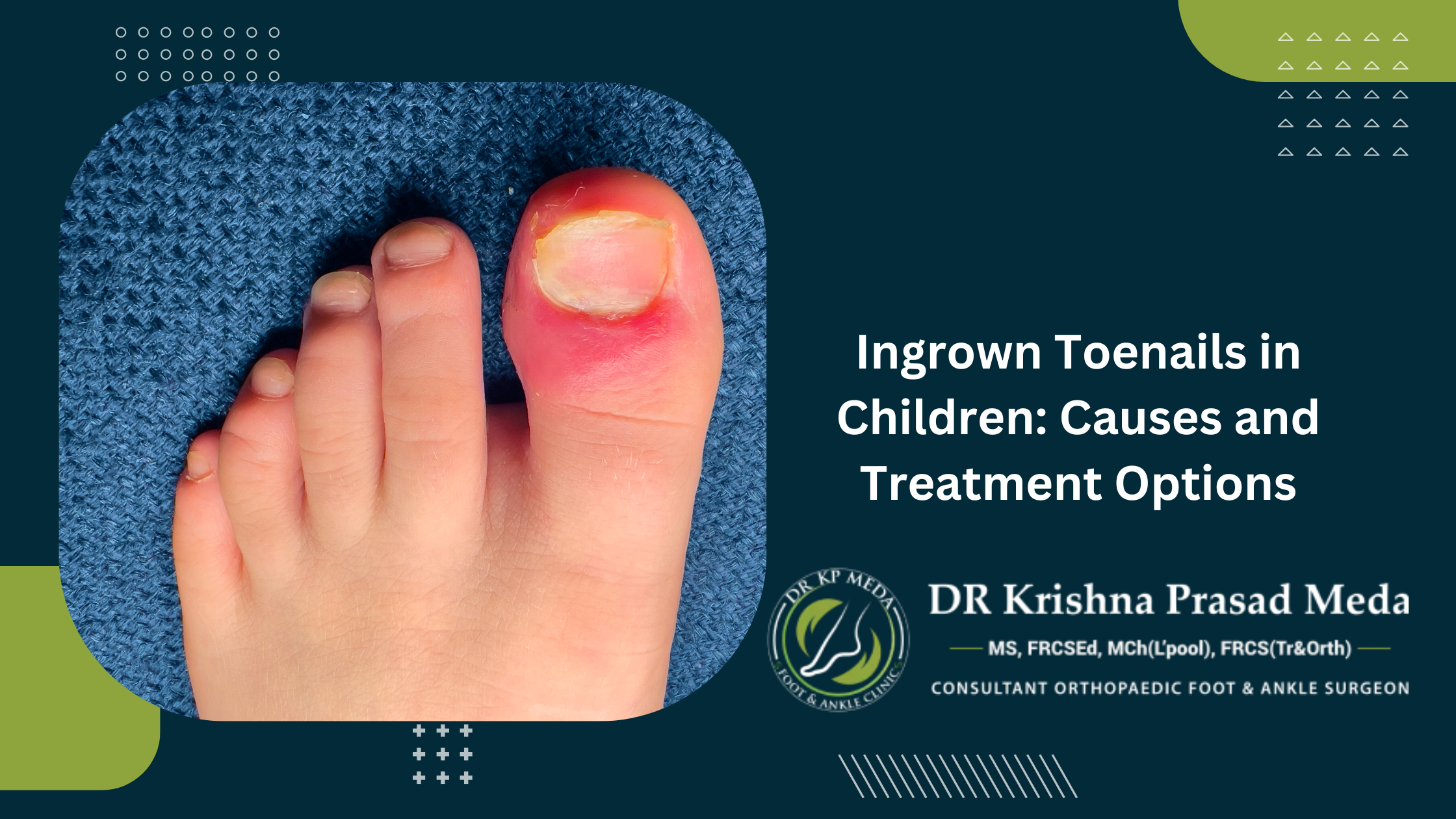
Medical Treatments for Severe or Infected Ingrown Toenails
If your ingrown toenail becomes severely painful, swollen, or infected, you’ll need medical treatment to prevent complications.
A healthcare provider may prescribe antibiotics to fight infection and reduce inflammation.
In more serious cases, they might perform a minor procedure to remove part of the nail or the underlying tissue causing the problem. This helps relieve pain and stops the nail from digging into your skin again.
Sometimes, they’ll recommend a partial nail avulsion with phenol application, which prevents regrowth of the problematic nail edge.
These treatments aim to restore your freedom of movement without ongoing pain. Don’t let fear hold you back—seeking prompt medical care gives you the best chance to get back on your feet quickly and comfortably.
Tips for Speeding Up Recovery and Avoiding Future Problems
Although healing times vary, you can speed up recovery from an ingrown toenail by following simple care steps and making smart choices.
First, keep your foot clean and dry to prevent infection and promote faster healing.
Second, wear comfortable shoes with plenty of room to avoid pressure on the affected toe.
Third, soak your foot in warm water regularly to reduce pain and inflammation.
To avoid future problems, trim your nails straight across and avoid cutting them too short.
Don’t squeeze or dig into the nail edges, and change socks daily to keep your feet dry.
Conclusion
Ingrown toenails can be painful, but you can prevent them by trimming your nails straight across, wearing comfortable shoes, and keeping your feet clean and dry. If you notice mild symptoms, try warm soaks and gentle nail care at home. However, don’t hesitate to see a doctor if your nail becomes infected or very painful. Taking these steps will help you heal faster and avoid future problems, keeping your feet healthy and comfortable.